Archives
- 2026-06
- 2026-05
- 2026-04
- 2026-03
- 2026-02
- 2026-01
- 2025-12
- 2025-11
- 2025-10
- 2025-09
- 2025-03
- 2025-02
- 2025-01
- 2024-12
- 2024-11
- 2024-10
- 2024-09
- 2024-08
- 2024-07
- 2024-06
- 2024-05
- 2024-04
- 2024-03
- 2024-02
- 2024-01
- 2023-12
- 2023-11
- 2023-10
- 2023-09
- 2023-08
- 2023-07
- 2023-06
- 2023-05
- 2023-04
- 2023-03
- 2023-02
- 2023-01
- 2022-12
- 2022-11
- 2022-10
- 2022-09
- 2022-08
- 2022-07
- 2022-06
- 2022-05
- 2022-04
- 2022-03
- 2022-02
- 2022-01
- 2021-12
- 2021-11
- 2021-10
- 2021-09
- 2021-08
- 2021-07
- 2021-06
- 2021-05
- 2021-04
- 2021-03
- 2021-02
- 2021-01
- 2020-12
- 2020-11
- 2020-10
- 2020-09
- 2020-08
- 2020-07
- 2020-06
- 2020-05
- 2020-04
- 2020-03
- 2020-02
- 2020-01
- 2019-12
- 2019-11
- 2019-10
- 2019-09
- 2019-08
- 2019-07
- 2019-06
- 2019-05
- 2019-04
- 2018-11
- 2018-10
- 2018-07
-
Compared to the other histamine receptor subtypes the H
2022-07-06
Compared to the other BPTES receptor subtypes, the H3 receptor exhibits rather complex pharmacology, being subject to extensive splicing, leading to two major (H3-445 and H3-365) and possibly more functional human receptor isoforms; for a comprehensive review please see Leurs et al. (2005) and Bong
-
br Materials and methods br Results br
2022-07-06
Materials and methods Results Discussion The major findings of the present study are that: 1) the response to inverse agonists may be crossregulated by the activation of either Dp44mT synthesis H1 or H2 receptors, 2) histamine H1 and H2 receptor inverse agonists crossdesensitize the recept
-
Thus while there is ample evidence to rule
2022-07-06
Thus, while there is ample evidence to rule out a generalized blockade of TGF-ß signaling by Hippo pathway activation upon establishment of cell–cell contacts, more recent studies have established that, in specific contexts, Hippo and TGF-ß signaling may either interfere or cooperate with each other
-
54011 sale br Acknowledgement The work was supported by
2022-07-06
6. Acknowledgement The work was supported by the NSFC through Grant Nos. 11535016 and 11475232. It was also supported by CAS. The authors thank their collaborators for beneficial discussions and enthusiastic supports in the simulations and calculations. Introduction Hypoxia-inducible factors
-
Memantine hydrochloride synthesis There were limitations to
2022-07-06
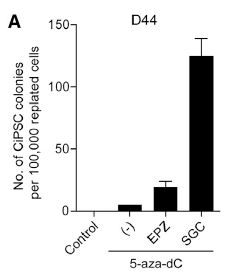
There were limitations to this study. Specifically, although rigorously examined for accuracy, the NCDB and SEER databases still suffer from issues with data entry and completeness of the treatment record. Of note, although the data were collected on a modern cohort of patients treated from 2010 to
-
In summary we obtained and type of linaclotide
2022-07-06
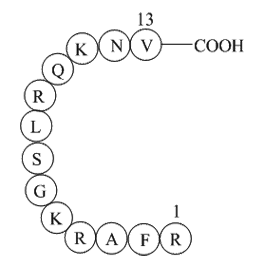
In summary, we obtained - and -type of linaclotide by protein chemical synthesis and acquired the X-ray crystal structure of linaclotide for the first time through racemic crystallization technique. The structure of linaclotide forms a compact spatial structure containing three- turns through three
-
The activation of AKT and
2022-07-06
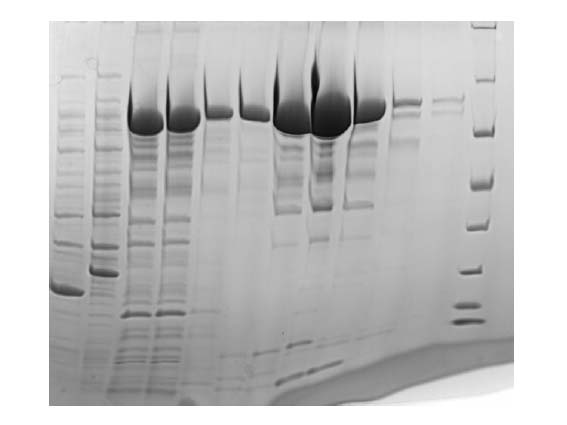
The activation of AKT and ERK1/2 results in the stabilization and increase in the co-transcriptional function of β-catenin [31], [32], [33]. Here, (R,R′)-MNF was found to reduce the levels of phospho-active AKT and ERK, which, in turn, may regulate the abundance and signaling potential of β-catenin.
-
Capillary monolithic columns obtained by in
2022-07-06
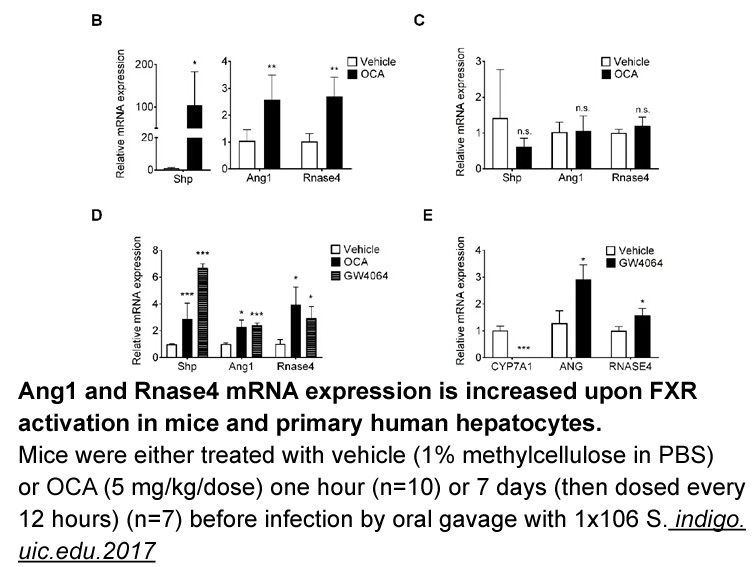
Capillary monolithic columns obtained by in situ polymerization have been developed rapidly as an efficient chromatographic stationary phase, which exhibits excellent reproducibility, reliable stability and fast transfer kinetics [18]. Recently, it has been extensively applied in capillary liquid ch
-
egfr inhibitors br Introduction As is now well
2022-07-06
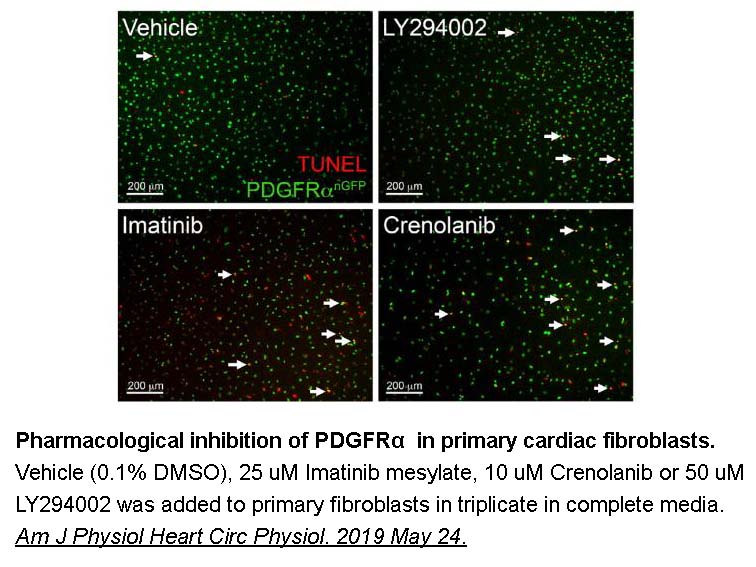
Introduction As is now well known, obesity is major risk factor for various diseases such as nonalcoholic fatty liver disease, cardiovascular disease, some cancers (McWilliams and Petersen, 2009), type-2 diabetes mellitus (Jakobsen et al., 2007), and hypertension (Aneja et al., 2004), among other
-
Nevertheless in the brain we found that trehalose phosphoryl
2022-07-06
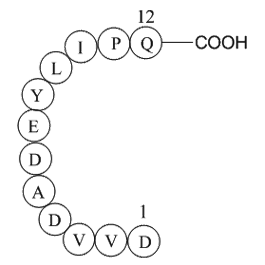
Nevertheless, in the brain, we found that trehalose phosphorylates AMPK, which is a metabolic sensor. AMPK is known to be transiently activated in muscle by acute exercise [21,22]. Bayod et al. also reported that AMPK was significantly activated in both the cerebral cortex and hippocampus in exercis
-
The regulation of the stem cell compartment
2022-07-06
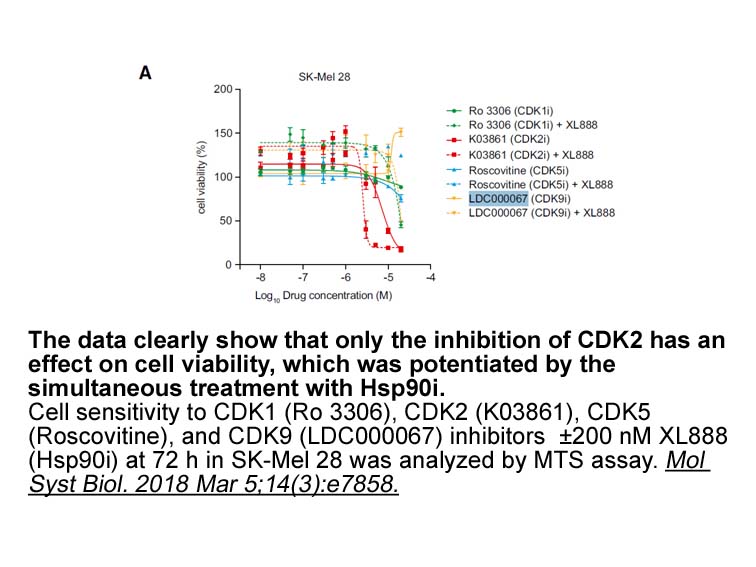
The regulation of the stem cell compartment in CML is dynamic, in particular, during disease progression to a blast crisis and might involve a complex cross-regulation of Hh, Wnt, Notch, and hox signaling pathways (). Significant upregulation of Ptch1 and cyclin D1, upon other proteins, marks the bl
-
br Conflicts of interest br Acknowledgments
2022-07-06
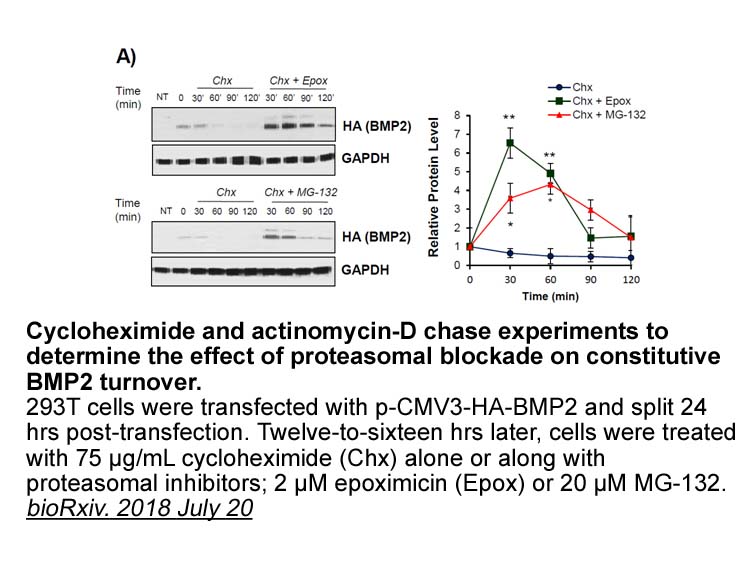
Conflicts of interest Acknowledgments This work was supported by the following funds: National Natural Science Foundation of China (81502222); Natural Science Foundation of Hubei Province (2013CFB370); Training program for Wuhan young and middle-aged medical backbone personnel (2017–51). In
-
br Acknowledgements br Introduction This article
2022-07-06
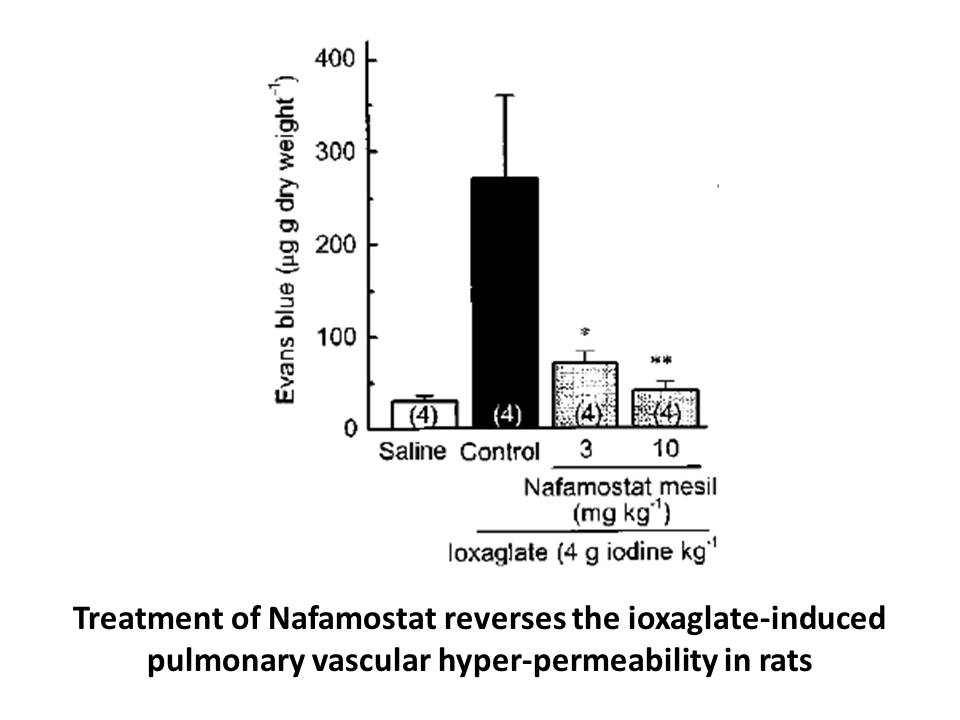
Acknowledgements Introduction This article, similar to those before [1,2], presents a selection of nails for those red blood cell physiologists with hammers. The various topics are not necessarily lost for, like occupants on a carousel, they reappear periodically. Sometimes, however, some arti
-
NMDARs are glutamate gated ionotropic receptors that are inv
2022-07-05
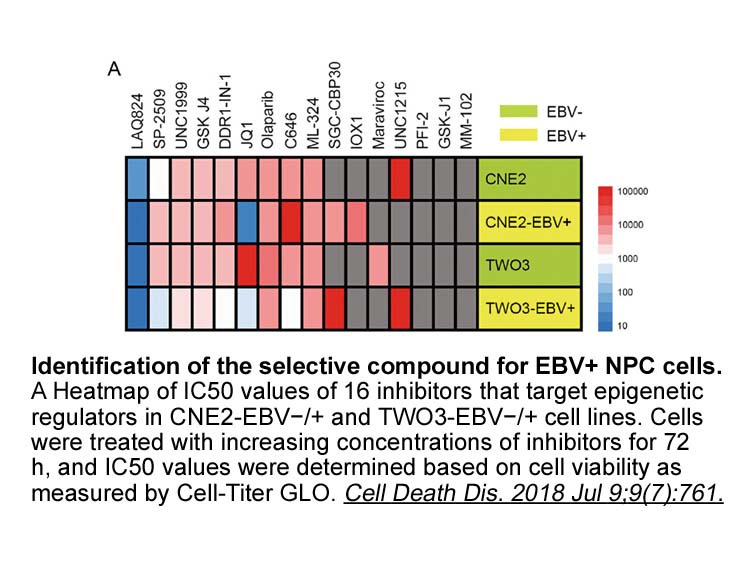
NMDARs are glutamate-gated ionotropic receptors that are involved in excitatory neurotransmission and plasticity (Traynelis et al., 2010). There have been several reports showing that neurosteroids acting as negative modulators of NMDARs exert neuroprotective activity in both in vitro and in vivo mo
-
During the course of our optimization
2022-07-05
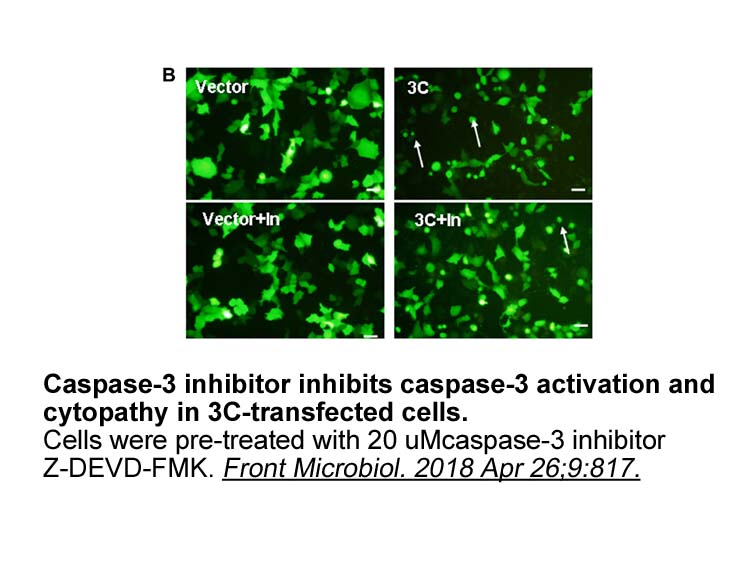
During the course of our optimization of the diarylsulfonamide chemotype as FFA4 agonists, we identified xanthene as a potent and selective antagonist of FFA4 (). Xanthene was able to block the agonist induced intracellular Ca response elicited by both linoleic CCK-8 sale and compound in competi
16870 records 458/1125 page Previous Next First page 上5页 456457458459460 下5页 Last page