Archives
- 2026-06
- 2026-05
- 2026-04
- 2026-03
- 2026-02
- 2026-01
- 2025-12
- 2025-11
- 2025-10
- 2025-09
- 2025-03
- 2025-02
- 2025-01
- 2024-12
- 2024-11
- 2024-10
- 2024-09
- 2024-08
- 2024-07
- 2024-06
- 2024-05
- 2024-04
- 2024-03
- 2024-02
- 2024-01
- 2023-12
- 2023-11
- 2023-10
- 2023-09
- 2023-08
- 2023-07
- 2023-06
- 2023-05
- 2023-04
- 2023-03
- 2023-02
- 2023-01
- 2022-12
- 2022-11
- 2022-10
- 2022-09
- 2022-08
- 2022-07
- 2022-06
- 2022-05
- 2022-04
- 2022-03
- 2022-02
- 2022-01
- 2021-12
- 2021-11
- 2021-10
- 2021-09
- 2021-08
- 2021-07
- 2021-06
- 2021-05
- 2021-04
- 2021-03
- 2021-02
- 2021-01
- 2020-12
- 2020-11
- 2020-10
- 2020-09
- 2020-08
- 2020-07
- 2020-06
- 2020-05
- 2020-04
- 2020-03
- 2020-02
- 2020-01
- 2019-12
- 2019-11
- 2019-10
- 2019-09
- 2019-08
- 2019-07
- 2019-06
- 2019-05
- 2019-04
- 2018-11
- 2018-10
- 2018-07
-
The findings in this study may represent an example of
2021-10-15
The findings in this study may represent an example of a more general phenomenon, namely that the exquisite specificity of the G protein-coupled receptors that mediate the physiological actions of the SM-164 family hormones in mammals may have arisen relatively late in evolution. In non-mammalian ve
-
Notch signaling maintains the balance between neural stem ce
2021-10-14
Notch signaling maintains the balance between neural stem cells and neural progenitors (Aguirre et al., 2010, Basak and Taylor, 2007, Mizutani et al., 2007). Conditional knock out of Notch causes depletion in the progenitor pool, showing that Notch is required for the maintenance of neural stem cell
-
br Discussion In response to an
2021-10-14
Discussion In response to an increase in glucose or DHA concentration, FBPase showed nuclear import and recruitment in a peripheral cell compartment. Interestingly, FBPase and GS were co-recruited to the periphery of the cells. This is precisely the site where glycogen is initially synthesized an
-
During the activation of the coagulation cascade factor
2021-10-14
During the activation of the coagulation cascade, factor Xa (FXa) forms a complex with activated factor V and calcium CGS 21680 HCl on the surface of platelet membrane (so called prothrombinase complex) and converts prothrombin to thrombin [5], [6]. Selective FXa inhibitors do not directly inhibit
-
Here we report the kinetics of inhibition of the MYST
2021-10-14
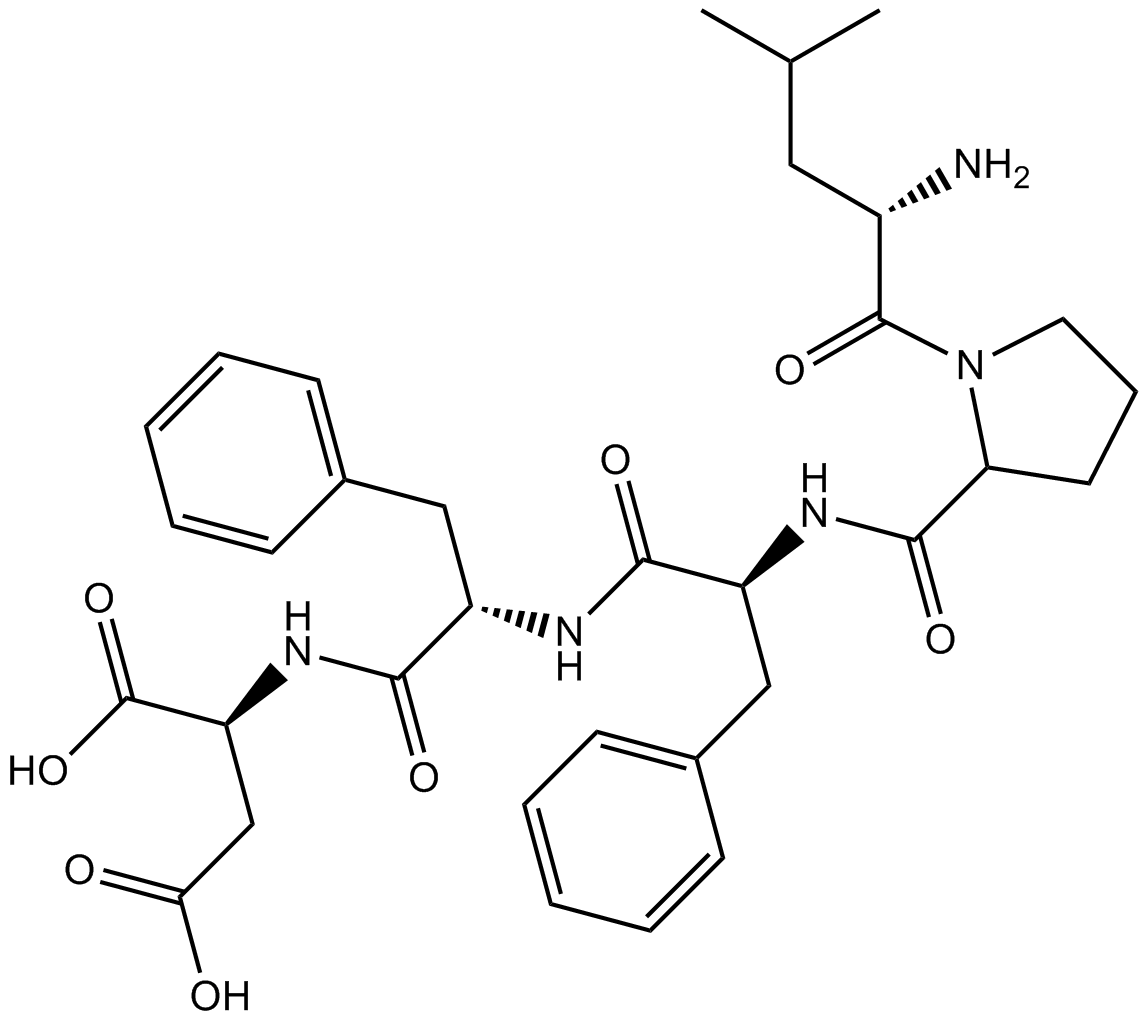
Here, we report the kinetics of inhibition of the MYST HAT family member KAT8 by MG149, and a calculation of the inhibitory constant Ki of MG149 for KAT8. The inhibition of HATs by MG149 could be correlated to inhibition of histone acetylation in murine PCLS upon MG149 treatment, as determined by a
-
Fig C presents the secondary structure arrangement of the
2021-10-14

Fig. 1(C) presents the secondary structure arrangement of the PAS-A and PAS-B domains in both HIF-2α and ARNT. The common scaffold of the PAS domains is a β sheet with numerous flanking α helixes. The PAS-A domains of both HIF-2α and ARNT have A’α, Aβ, Bβ, Cα, Dα, Eα, Fα, Gβ, Hβ, and Iβ from the N t
-
br Membrane Fusion Requires Rab GTPases Tethers and SNAREs b
2021-10-14

Membrane Fusion Requires Rab-GTPases, Tethers, and SNAREs Regulation and Function of Rab5 Following endocytosis in metazoan cells, the Rab5-specific GEF Rabex5 binds to ubiquitinated cargo proteins, such as cell surface receptors or metabolite transporters, and subsequently activates Rab5 on e
-
br Conflict of interest br
2021-10-14
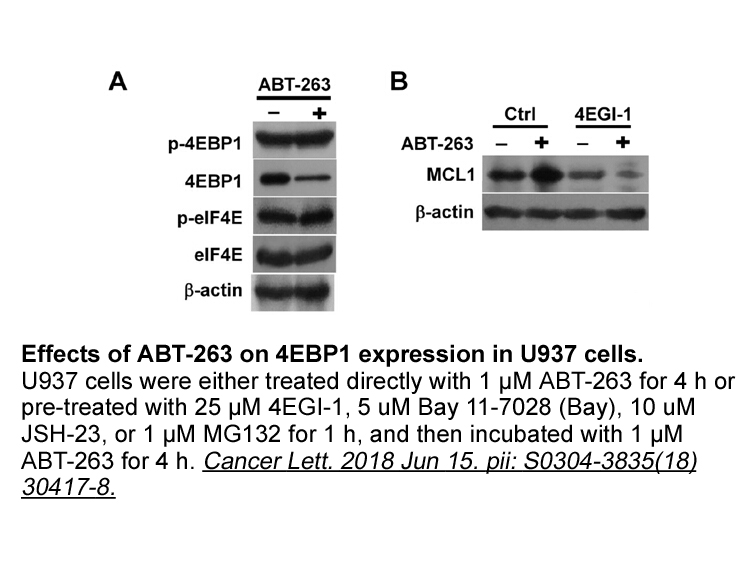
Conflict of interest Acknowledgement Exposure to tobacco smoke in early life has been found to increase the risk of developing asthma and lung function deficits in adolescence and adulthood., , , , However, not all children exposed to tobacco smoke in early life develop asthma, which suggest
-
In the present study we showed
2021-10-14
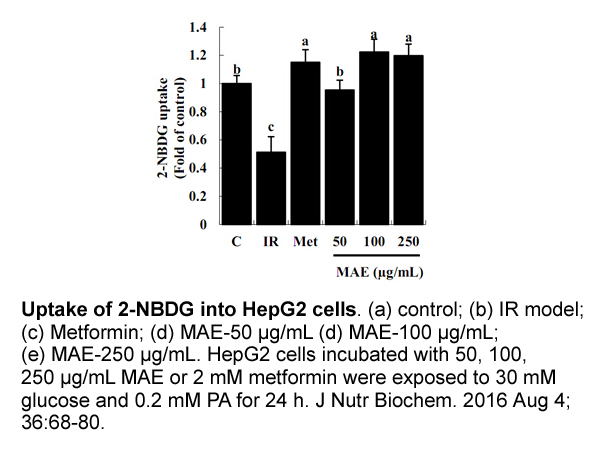
In the present study, we showed that reduced neuron formation in vitro induced by IL-1β was ameliorated by activation of GPR55 in both human and mouse cultures of NSCs. Pre-treatment with GPR55 agonists also blocked upregulation of inflammatory cytokine receptor mRNA (IL-1R1, IL-6st) while increasin
-
To search for potential variants
2021-10-14
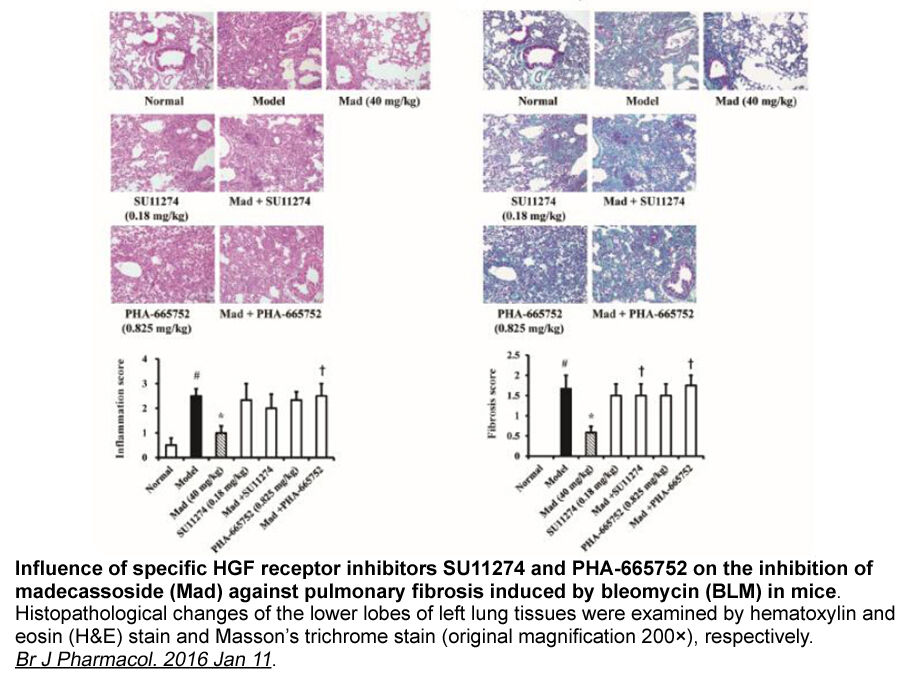
To search for potential variants of SLA-DOB and CD4 associated with different (percentage) levels of the five (T-lymphocyte subsets, total antibody IgG, interferon alpha (IFN-α), Toll like receptor 3 (TLR3), interleukin 6 (IL-6) in serum and porcine reproductive and respiratory syndrome virus (PRRSV
-
To search for potential variants
2021-10-14
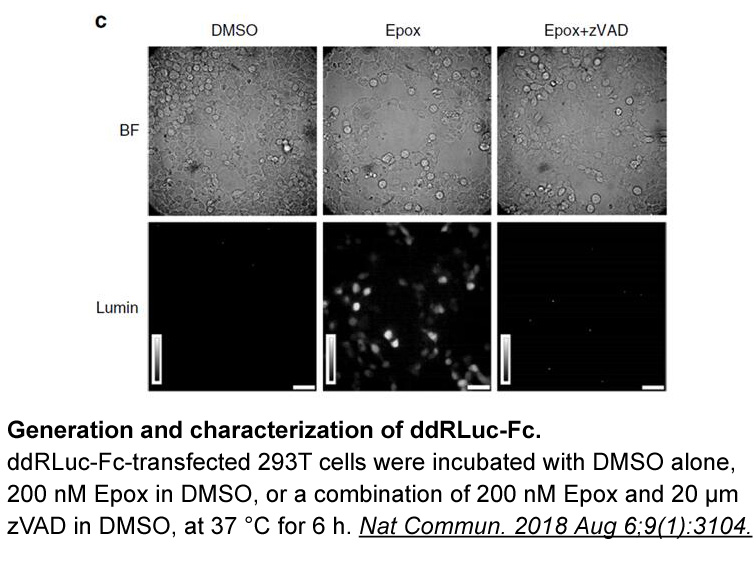
To search for potential variants of SLA-DOB and CD4 associated with different (percentage) levels of the five (T-lymphocyte subsets, total antibody IgG, interferon alpha (IFN-α), Toll like receptor 3 (TLR3), interleukin 6 (IL-6) in serum and porcine reproductive and respiratory syndrome virus (PRRSV
-
MRcKO mice showed a comparable degree of cardiac remodeling
2021-10-14
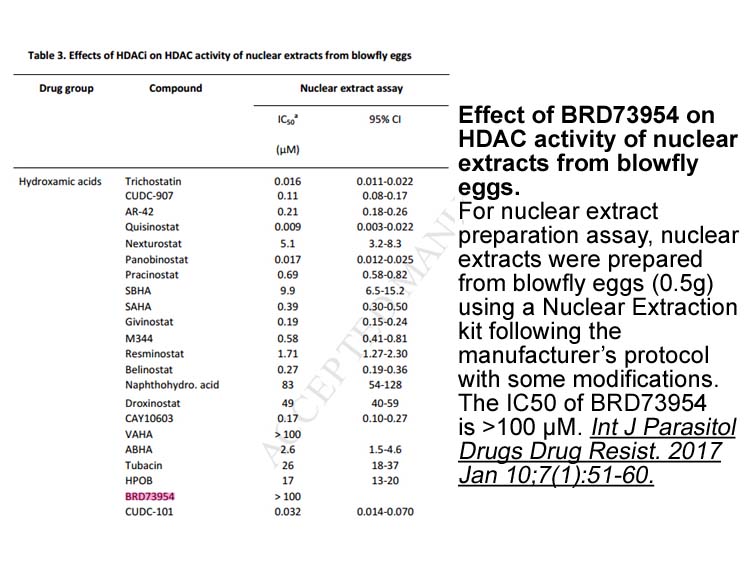
MRcKO mice showed a comparable degree of cardiac remodeling compared to control (MRf/f) mice. Moreover, the worse cardiac remodeling in pressure-overloaded GRcKO mice is not due to compensatory activation of cardiomyocyte MR, because GRMRdcKO mice displayed cardiac remodeling to the same extent as G
-
HC 067047 australia However Gingrich and Hen reported that a
2021-10-13
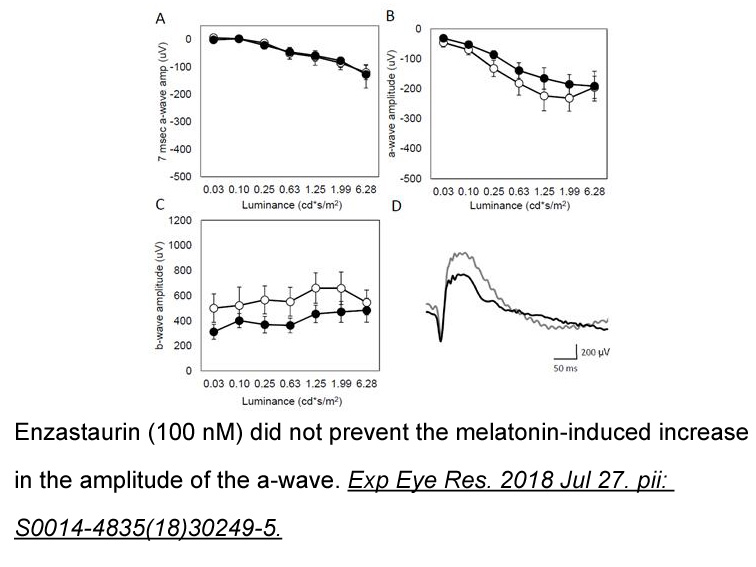
However, Gingrich and Hen reported that absence of the gene at all stages of ontogenesis of mice may interfere with the normal developmental program and/or the organism may undergo changes in other systems to compensate for gene absence (46). In addition, potentially altered maternal behavior of GPR
-
We detected the FFAR protein
2021-10-13

We detected the FFAR2 protein with a molecular mass of about 50 kDa, which is comparable to the main band detected in pigs (Li et al., 2014) but different from the calculated size based on the sequence (Wang et al., 2009). The size difference can be explained, at least in part, by glycosylation site
-
Contrary to the transient nature of signal transmission thro
2021-10-13
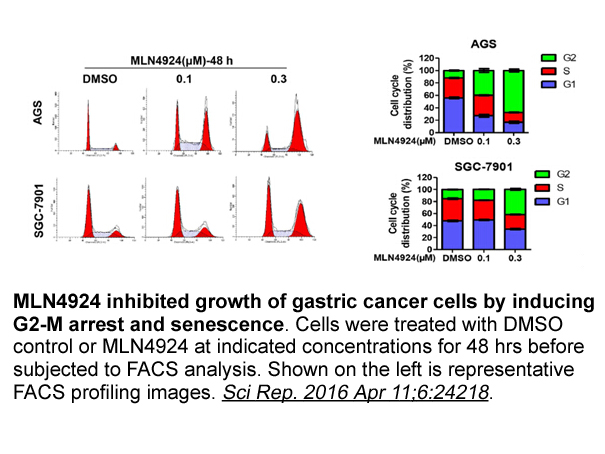
Contrary to the transient nature of signal transmission through PLCβ, genome-wide RNAi screens revealed that the signaling events driven by Gαq that result in aberrant cell proliferation depends on highly specific protein-protein interactions, rather than solely on diffusible second messenger system
16877 records 614/1126 page Previous Next First page 上5页 611612613614615 下5页 Last page