Archives
- 2026-06
- 2026-05
- 2026-04
- 2026-03
- 2026-02
- 2026-01
- 2025-12
- 2025-11
- 2025-10
- 2025-09
- 2025-03
- 2025-02
- 2025-01
- 2024-12
- 2024-11
- 2024-10
- 2024-09
- 2024-08
- 2024-07
- 2024-06
- 2024-05
- 2024-04
- 2024-03
- 2024-02
- 2024-01
- 2023-12
- 2023-11
- 2023-10
- 2023-09
- 2023-08
- 2023-07
- 2023-06
- 2023-05
- 2023-04
- 2023-03
- 2023-02
- 2023-01
- 2022-12
- 2022-11
- 2022-10
- 2022-09
- 2022-08
- 2022-07
- 2022-06
- 2022-05
- 2022-04
- 2022-03
- 2022-02
- 2022-01
- 2021-12
- 2021-11
- 2021-10
- 2021-09
- 2021-08
- 2021-07
- 2021-06
- 2021-05
- 2021-04
- 2021-03
- 2021-02
- 2021-01
- 2020-12
- 2020-11
- 2020-10
- 2020-09
- 2020-08
- 2020-07
- 2020-06
- 2020-05
- 2020-04
- 2020-03
- 2020-02
- 2020-01
- 2019-12
- 2019-11
- 2019-10
- 2019-09
- 2019-08
- 2019-07
- 2019-06
- 2019-05
- 2019-04
- 2018-11
- 2018-10
- 2018-07
-
br RNA preparation cDNA synthesis and RT PCR
2021-09-22
RNA preparation, cDNA synthesis and RT-PCR Trizol reagent (Invitrogen, Carlsbad, CA, USA) was used to extract total RNA from tissues according to the manufacturer’s protocol and isolated RNA quantity was determined by UV spectrophotometry (Nanodrop, Thermo Scientific, USA) and RNA integrity was v
-
CCK-8 The aim of this study
2021-09-22
The aim of this study is to explore new Glo-I inhibitors using the structure-based pharmacophore approach. Eighteen Glo-I co-crystallized structures have been explored to investigate their pharmacophoric features. Ninety two pharmacophoric models were generated. QSAR analysis followed by Ligand Prof
-
The regulation of the stem cell
2021-09-22
The regulation of the stem cell compartment in CML is dynamic, in particular, during disease progression to a blast crisis and might involve a complex cross-regulation of Hh, Wnt, Notch, and hox signaling pathways (). Significant upregulation of Ptch1 and cyclin D1, upon other proteins, marks the bl
-
Given the important role of Cx
2021-09-18

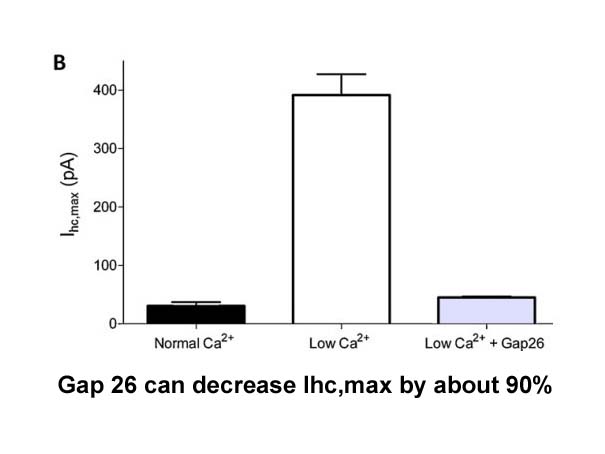
Given the important role of Cx43 in maintaining the function of gap junctions, to investigate the effects of stress on Cx43 may be an important step towards understanding the mechanism underlying CUS-induced dysfunction of gap junctions. Corticosterone (CORT), as an important stress hormone, has bee
-
GW4064 receptor Glucose metabolic pathways are well
2021-09-18
Glucose metabolic pathways are well defined but the subcellular organization of these pathways is poorly understood in liver and kidney. Several factors affect the net flux of gluconeogenesis and allow the GW4064 receptor to respond to physiological changes [1]. Ovadi and Srere have suggested that
-
Focal adhesion kinase FAK is a non receptor type
2021-09-18
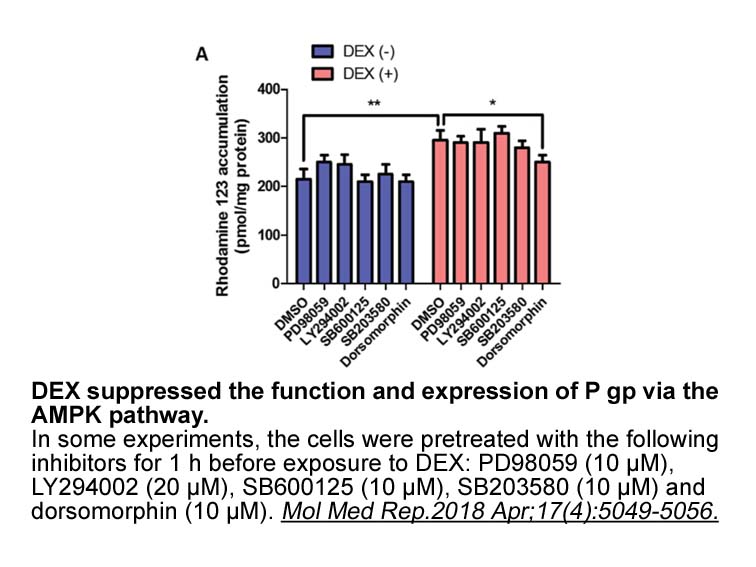
Focal adhesion kinase (FAK) is a non-receptor type tyrosine kinase that can further cooperatively interact with receptor tyrosine kinase signaling to regulate adhesion, migration, survival, proliferation, polarization, and differentiation [12]. Following activation, phosphorylated extracellular regu
-
It has been shown that mice
2021-09-18
It has been shown that mice lacking SMAD2 in T cells do not develop spontaneous lymphoproliferative autoimmunity (Malhotra et al., 2010). Further, FOXO1 is known to activate proinflammatory MCP-1 and IL-6 (Ito et al., 2009). To this end, we also validated the downstream target FOXO1 and SMAD2 after
-
EZH mutations or amplifications have
2021-09-18
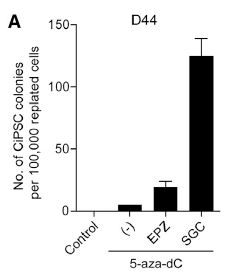
EZH2 mutations or amplifications have been found in a broad spectrum of human cancers including B cell lymphoma, ovarian cancer, breast cancer, melanoma, bladder cancer, gastric cancer, and other cancers (Kim and Roberts, 2016). Given the evidence of EZH2 as a cancer driver, numerous efforts have be
-
br The inhibitory effect of ATP B knockdown on lysosomal
2021-09-18
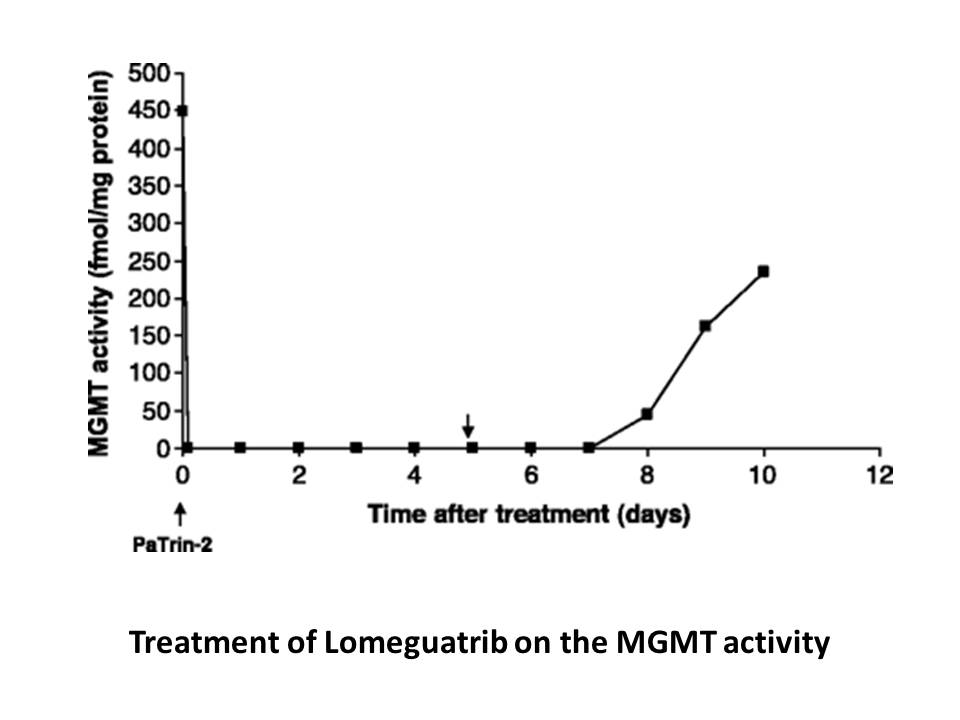
The inhibitory effect of ATP7B knockdown on lysosomal exocytosis is likely mediated by the resulting oxidative stress induced by Cu, as exposure to oxidative stress induced by tert-Butyl hydroperoxide (TBHP) inhibited β-hex exocytosis as well, indicating that oxidative stress inhibits lysosomal ex
-
The concentration of rapamycin that gave half maximal
2021-09-18

The concentration of rapamycin that gave half-maximal induction of the expression of HO-1 and Prx-1 mRNA in normal hepatocytes was 0.05 μM, with maximal induction at about 0.1 μM rapamycin. While, at rapamycin concentrations higher than 0.1 μM, the degree of enzyme induction decreased, elevated expr
-
Recently it has been found that
2021-09-18
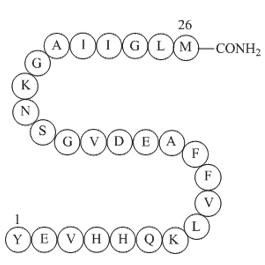
Recently, it has been found that treatment of human phagocytic QS 11 or microvascular endothelial cells with NO donors inhibited the O2− generating capacity of NADPH oxidase [[8], [9], [10], [11]], which may involve down-regulation or S‑nitrosylation of the p47phox subunit (a cytosolic subunit of N
-
br Experimental br Results br Discussion In this
2021-09-18
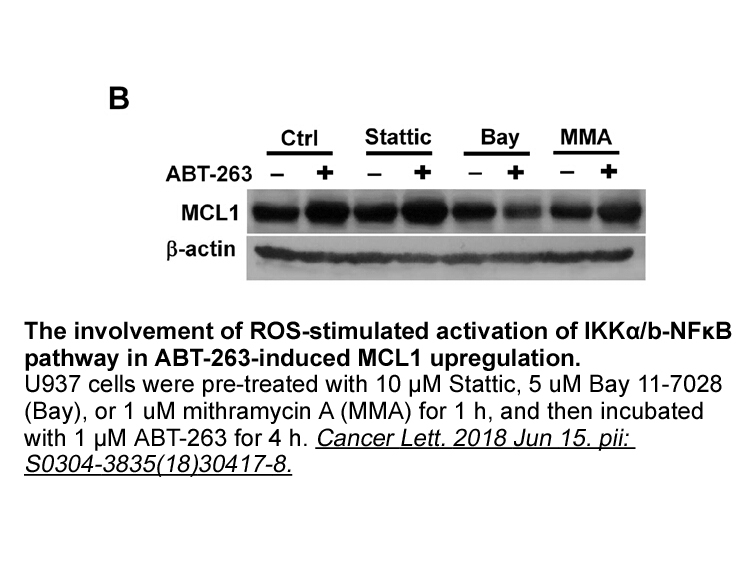
Experimental Results Discussion In this study, we performed molecular docking analysis and in vitro studies to determine whether genistein binds to HIF-1α in BC TRAM 39 australia and identify the residues involved in this interaction. We found that some functional groups (residues) mimic t
-
We demonstrated that bilirubin the product of heme
2021-09-18
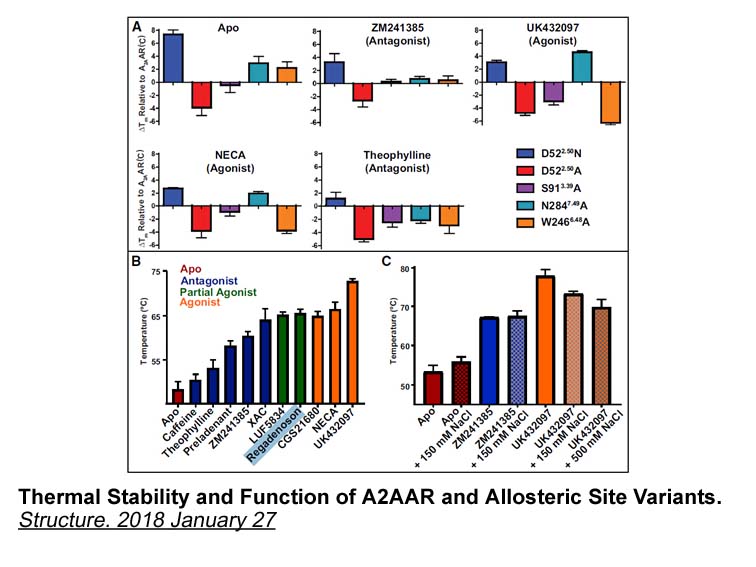
We demonstrated that bilirubin, the product of heme metabolism by HO-1, exerted a potent suppression of NADPH oxidase activity (Fig. 2B). Different from the down-regulation of NADPH oxidase subunit by HO-1 induction in macrophages [24], the protein levels of the NADPH oxidase subunits in vascular en
-
br Materials and methods br Results shows
2021-09-17
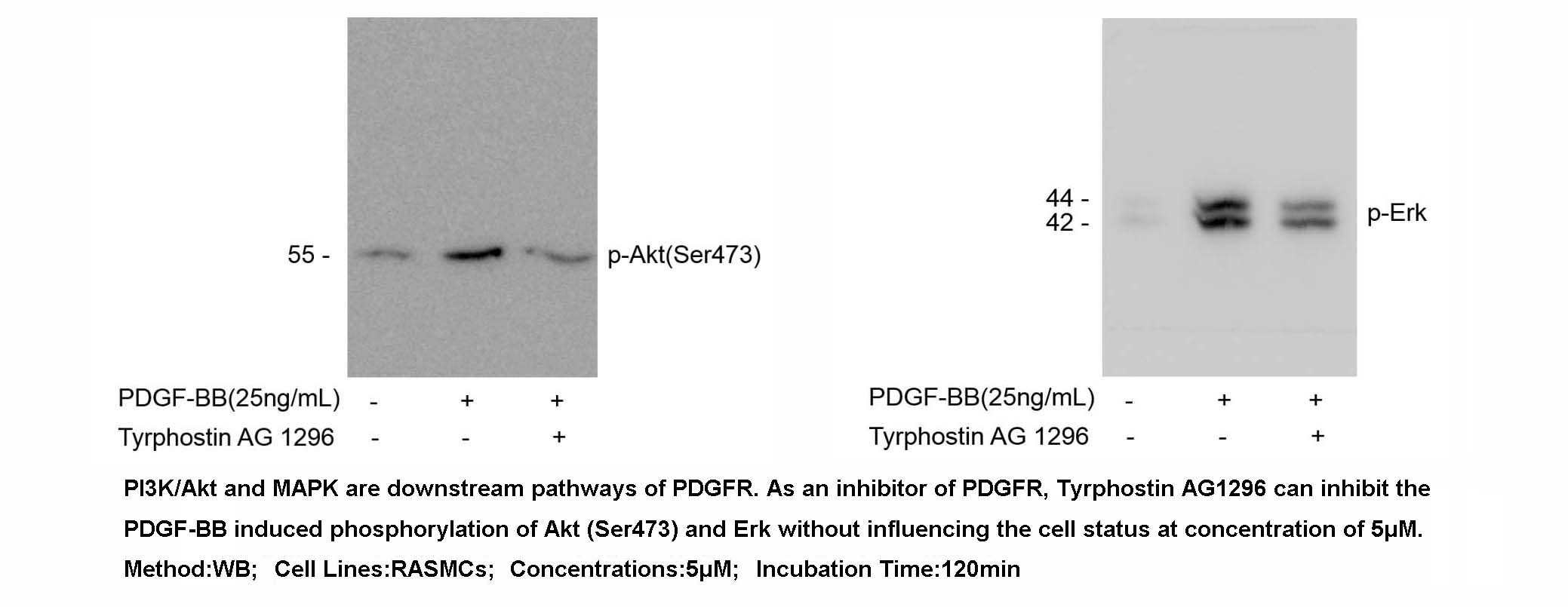
Materials and methods Results shows serum FSH, LH, oestradiol and progesterone values in the two cycles from day 2 to day 10. Basal values of these hormones on day 2 (before any intervention) were similar in the two cycles. Thereafter, FSH values did not differ significantly between the two c
-
It is essential to maintain genome integrity and
2021-09-17
It is essential to maintain genome integrity and stability which is assaulted by oxidative stress. To perform this function, all human cells have well developed repair systems. Base excision repair (BER) system is the most effective pathway responsible to revert back lesions caused by oxidative stre
16878 records 628/1126 page Previous Next First page 上5页 626627628629630 下5页 Last page